







| Year of manufacture | 1922-1926 |
| Condition | Unrestored |
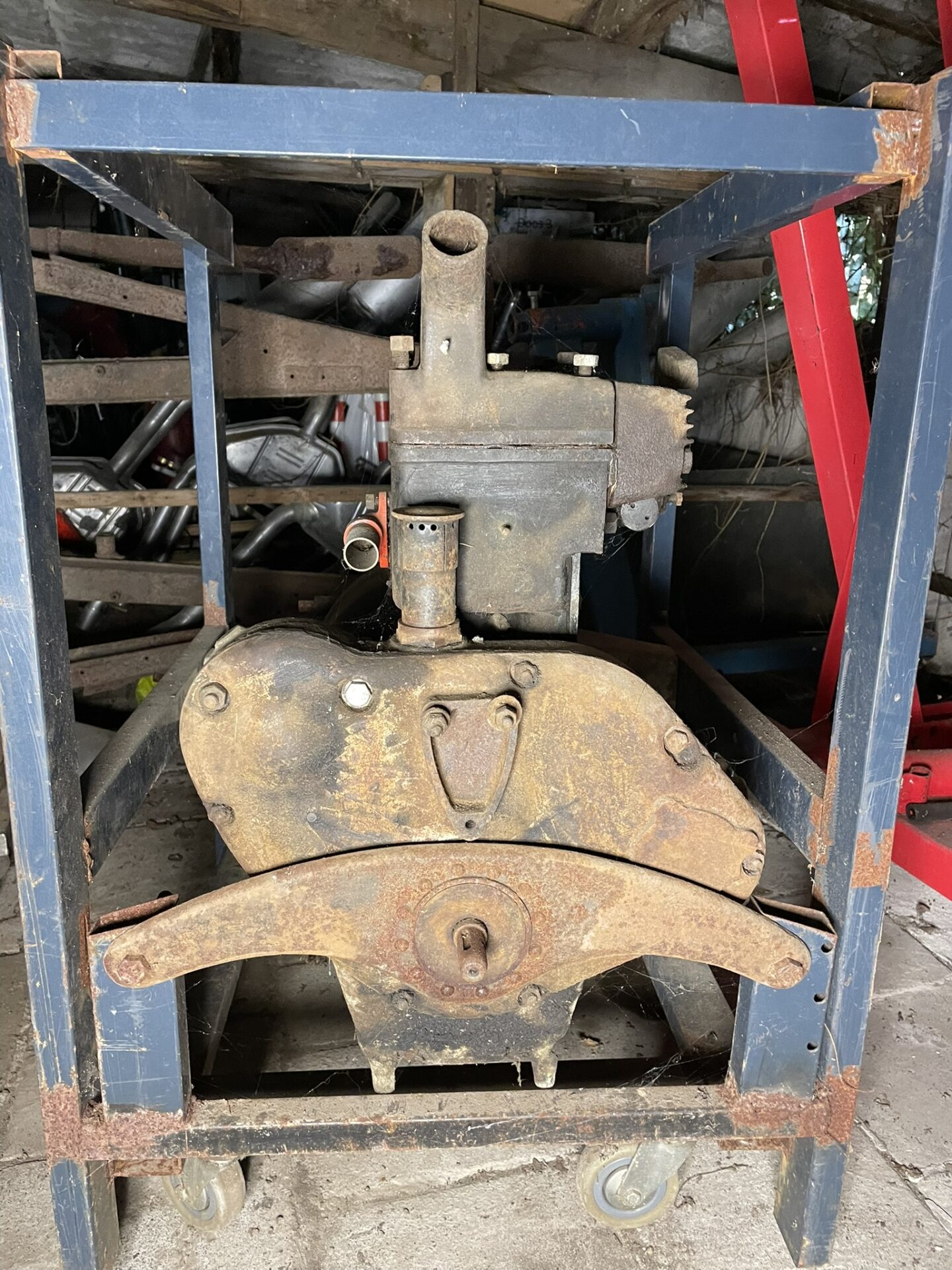
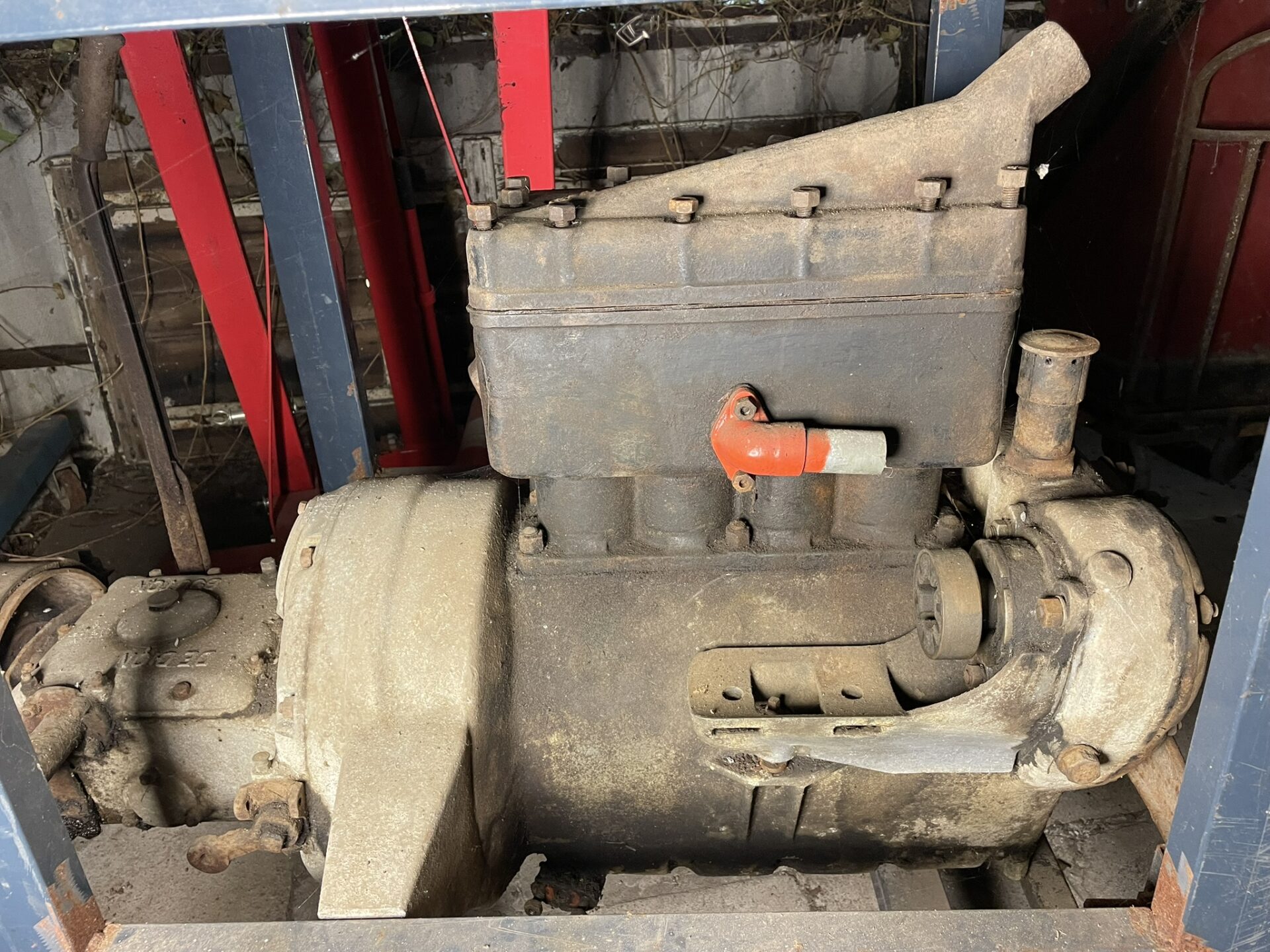
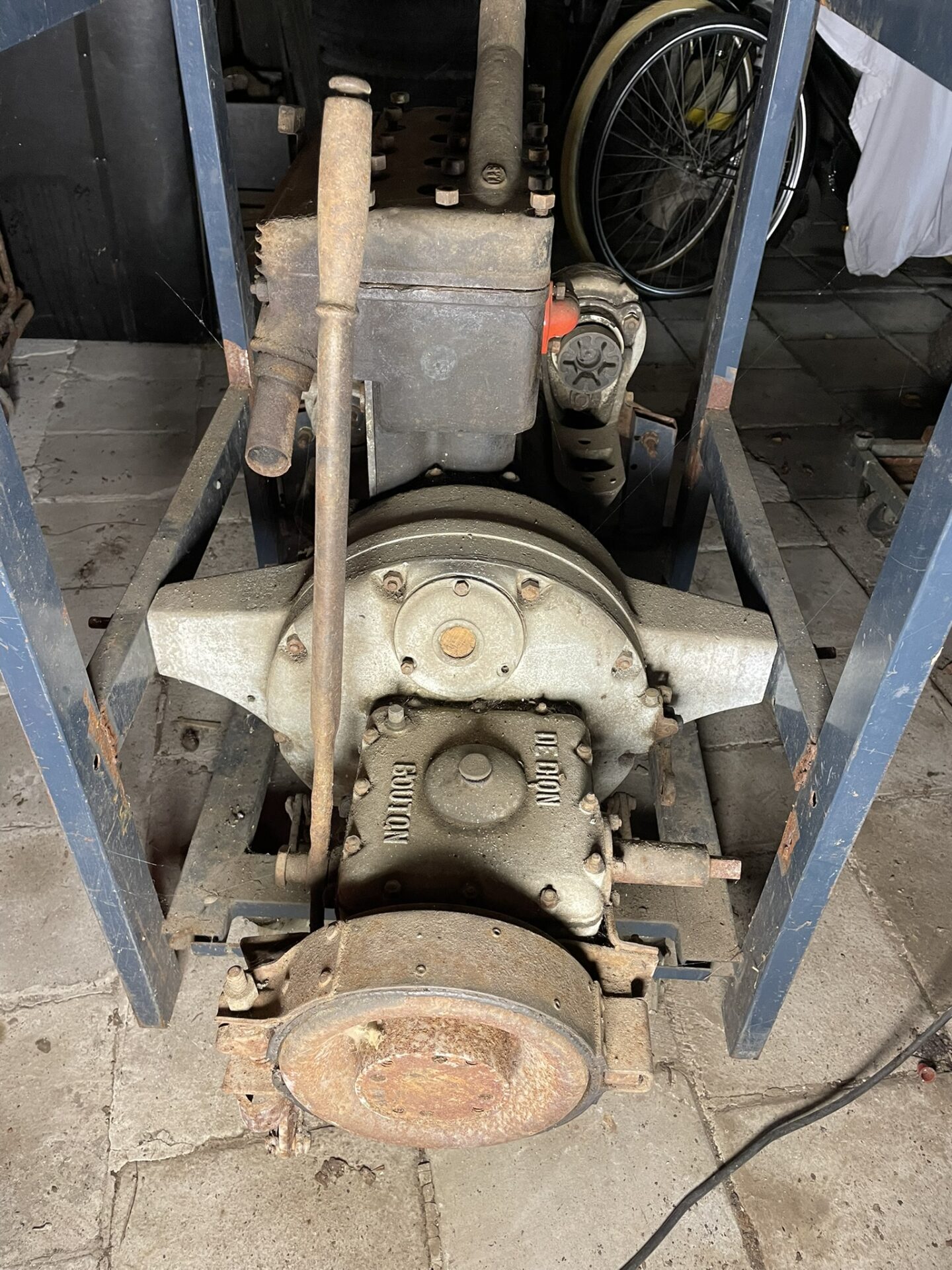
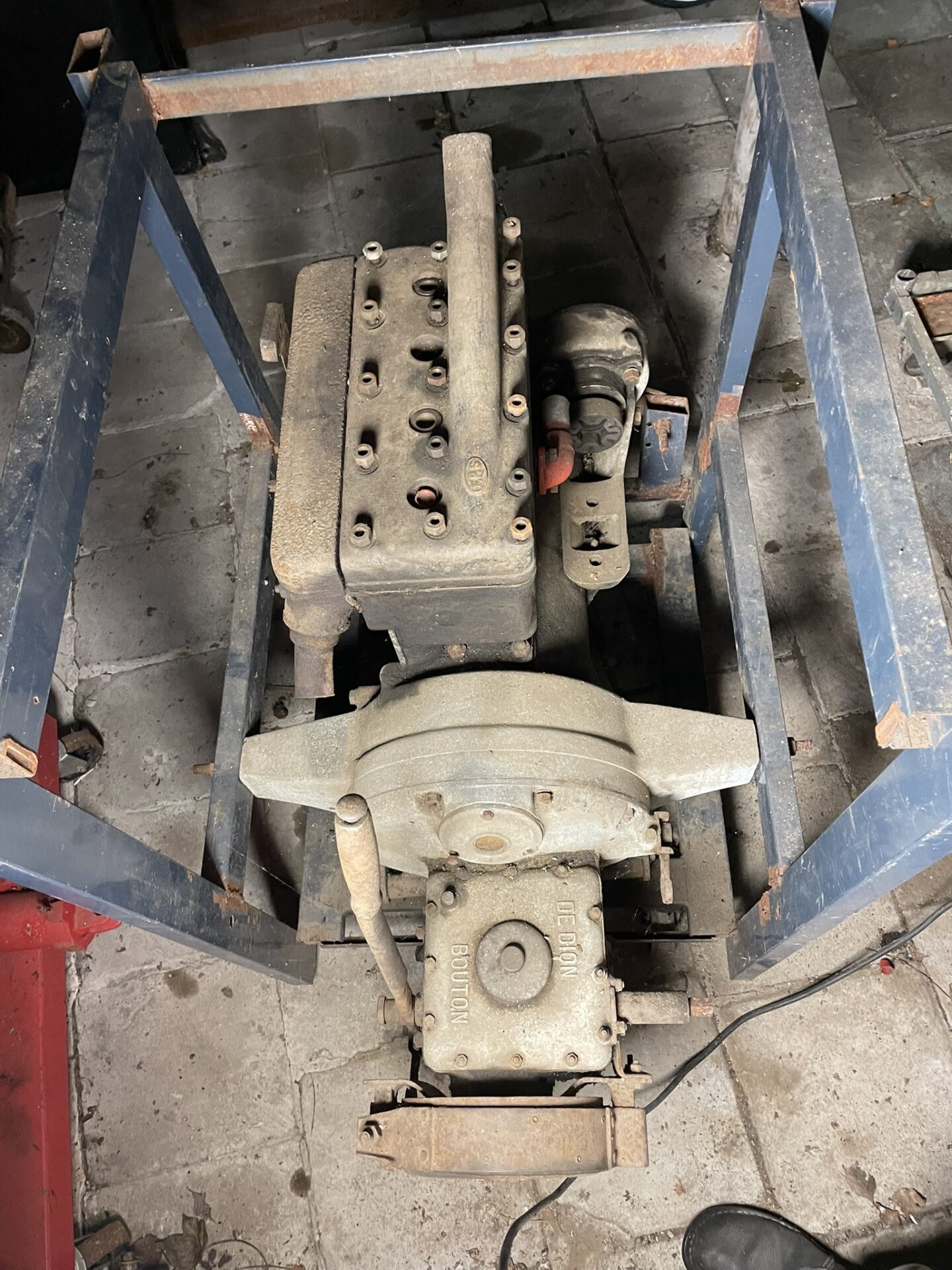
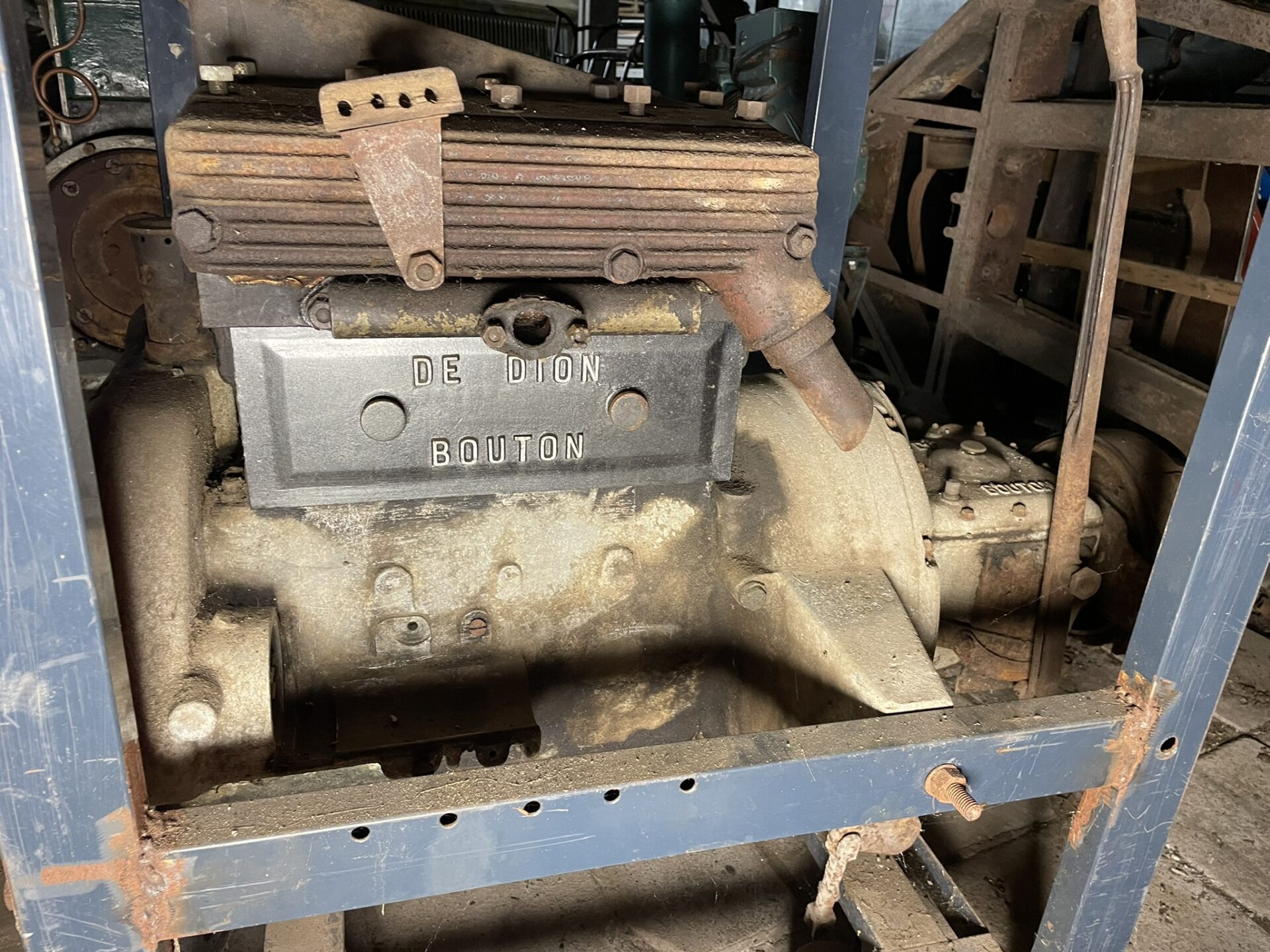
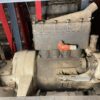
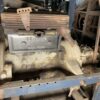
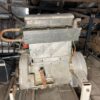
| This specific engine block is a beautiful, rare, and mechanically complete De Dion-Bouton four-cylinder engine with gearbox (and attached handbrake) from the 1920s. The casting with the iconic “De Dion Bouton” trademark on both the side cover and the transmission housing is still in very authentic condition.
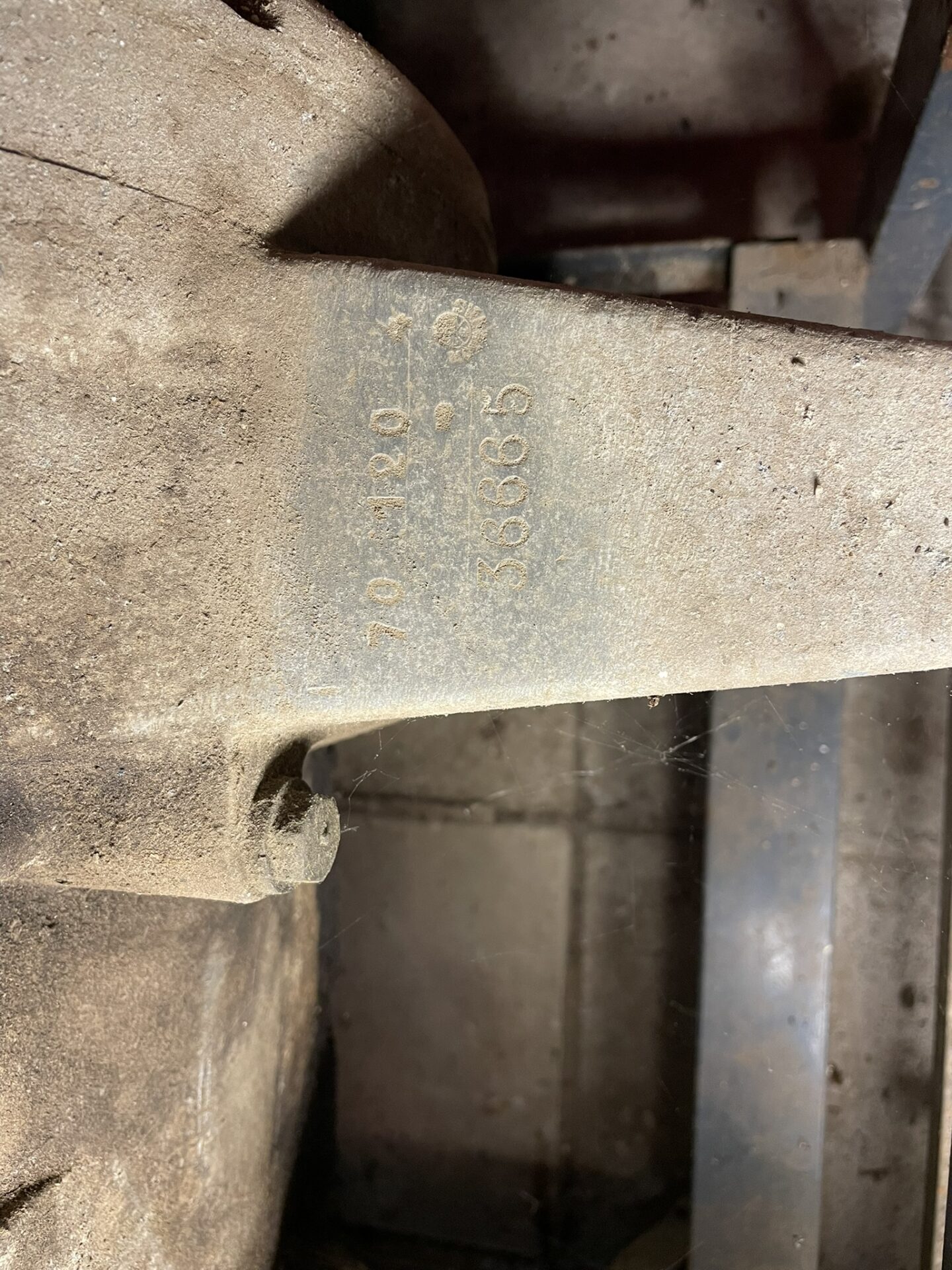
The specific engine number 36665 is stamped on the rim of the flywheel/crankcase (visible in the second photo), preceded by the type designation 70-120. Below you will find the exact history and technical specifications of this specific block. |
|
| Technical Specifications
This engine is a typical example of a French ‘monobloc’ side-valve engine from the early 1920s. The coding tells the whole technical story:
|
|
| History and Context of this Engine: | |
Based on the engine number 36665 and the construction, this specific block can be accurately dated to the first half of the 1920s. Around this period (specifically between 1923 and 1925), this 70×120 mm side-valve engine was the absolute workhorse of the Puteaux factory. Although the factory also introduced more modern overhead valve (OHV) engines in 1923, this reliable and robust side-valve design remained very popular for daily use. |
|
This specific engine configuration was used for the brand’s mid-size models, which were known for their extreme durability and reliability. |
|
| The engine block was fitted to the following chassis types:
De Dion-Bouton Type IS (the best-known 10CV model from 1923/1924) |
|
|
|
| 3. Applications outside passenger cars | |
| De Dion-Bouton was known for supplying chassis and engines for a wide range of purposes. Because this type of engine was virtually indestructible, the chassis with this 1,847 cc engine was not only used for luxury passenger cars (sometimes fitted with a chic French Weymann body), but was also frequently deployed for light commercial vehicles, such as early fire engines or delivery vans. | |
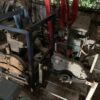
| The engine in the photos is a fantastic time capsule. Mechanically, the block is very complete: the cylinder head, valve cover, front timing housing, and complete gearbox with shift mechanism are all present. | |
| The external accessories (such as the carburetor and magneto ignition) appear to be missing at first glance, but the basic structure is solid and not smashed, making this an extremely valuable object for a restorer. |


